Emoji: A Modern Typeface for Fun, Friendly Design
In a world saturated with standard sans serif and serif options, finding a typeface that truly captures attention can be a challenge. We often rely on predictable choices for clarity, but sometimes a project demands something with more personality, something that speaks a different visual language. This is where the Emoji typeface enters the conversation. It’s not just a font; it’s a design tool built for immediacy and connection, translating the universal language of digital emotion into a functional, decorative style.
Understanding the Unique Appeal of the Emoji Typeface
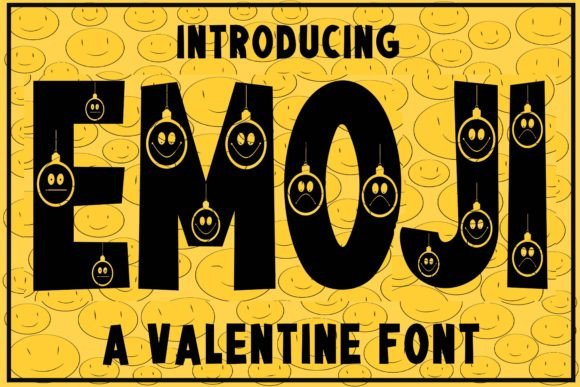
First, it's crucial to clarify what we're discussing. The Emoji typeface is a premium font family that uses the familiar, rounded, and friendly aesthetic of digital emoji characters as its foundation for standard alphabetic and numerical forms. It is not a collection of pictograms but a complete display font designed for setting text. Its visual characteristics are unmistakable: soft, almost geometric letterforms with a consistent, generous x-height. The strokes are uniform, creating a clean, modern silhouette without the weight variation found in traditional serif fonts or even many humanist sans serif fonts. The personality of the Emoji typeface is inherently approachable, playful, and contemporary. It avoids the coldness of some geometric sans serifs and the casualness of many script fonts, landing in a sweet spot that feels both professional and inviting.
This style makes it an exceptionally creative font for projects aiming to break down barriers. Its "friendly" vibe is engineered to foster a positive emotional response. Think about the last time you saw a well-placed smiley in a message; it instantly softens the tone. The Emoji typeface applies that principle to typography. It’s a typeface that doesn’t take itself too seriously, yet its clean construction ensures it remains highly legible and versatile across various applications. It’s a true child of modern typography, designed for the digital-first world where tone and personality are paramount.
Where This Creative Font Truly Shines
The practical applications for a typeface like Emoji are broader than one might initially assume. Its strength lies in contexts where building a quick, positive rapport with the audience is key. In brand identity, it can be a game-changer for startups, lifestyle brands, children's products, pet services, or any business that wants to project an image of being helpful, tech-savvy, and user-friendly. Imagine a food delivery app or a social media management tool using the Emoji typeface for its interface headers or marketing materials; it immediately sets a tone of ease and enjoyment.
For marketing and social media graphics, this typeface is a powerhouse. Its inherent personality cuts through the noise of a crowded feed. Use it for bold headlines in Instagram stories, engaging call-to-action buttons on a website, or playful annotations in a YouTube thumbnail. It’s equally effective in packaging design for products targeting a younger demographic or those in the "fun" category—think snacks, tech accessories, or party supplies. The font does a lot of the heavy lifting in communicating the product's spirit before a single word is read.
In editorial design, it can be used strategically. While not suited for long-form body text, the Emoji typeface is perfect for pull quotes, chapter titles in a modern lifestyle magazine, or section headers in a blog post aimed at a creative audience. Even in print projects like event posters, workshop flyers, or personal stationery, it injects a dose of contemporary energy. For small business owners and crafters, it offers a way to create a cohesive and recognizable look across their Etsy shop banners, product tags, and thank-you cards without needing a deep background in design.
Practical Guidance for Using the Emoji Font
Choosing to integrate the Emoji typeface into your project requires a thoughtful approach. The first step is always evaluating project fit. Ask yourself: Does the core message of this design benefit from a playful, modern, and friendly tone? If you're designing a legal firm's letterhead, this is likely not the right choice. But for a community event, a children's book cover, or a tech startup's landing page, it could be perfect.
Next, consider font pairing. Because the Emoji typeface is a strong display font with a distinct personality, it works best when paired with a more neutral, highly readable typeface for body copy. A clean, geometric sans serif font like Montserrat or a simple, classic serif font like Lora can provide excellent contrast and ensure your body text remains comfortable to read. The key is balance—let the Emoji typeface be the star of headlines and accents, while its partner handles the informational heavy lifting.
Before committing to a commercial font license, take time to review the full family. A quality premium font like this often includes multiple weights—light, regular, bold, black—and may have stylistic alternates or extended language support. Test it thoroughly. Set your actual headlines and key phrases. View it at different sizes to check its readability on both screen and print mockups. Does it maintain its clarity and charm when scaled down for a mobile button? Does it have enough impact when blown up for a poster? This testing phase is non-negotiable.
Finally, understand the licensing. If you're using it for a client's logo design, a commercial product, or widespread advertising, you need to ensure the license covers these uses. Reputable foundries provide clear licensing tiers for desktop, web, and app use. Investing in the correct license for this design asset protects both you and your client, and supports the type designers who created it.
In the end, the Emoji typeface is more than a novelty. It's a strategic creative font for the modern visual landscape. It acknowledges that design is communication, and that communication is not just about the words, but the feeling behind them. Used thoughtfully, it can become a cornerstone of a vibrant, engaging, and unmistakably contemporary brand identity.